
Lorem ipsum dolor sit amet, consectet eiusmod tempor incididunt ut labore e rem ipsum dolor sit amet. sum dolor sit amet, consectet eiusmod.
| Mon - Fri: | 8:00 am - 8:00 pm |
| Saturday: | 9:00 am - 6:00 pm |
| Sunday: | 9:00 am - 6:00 pm |






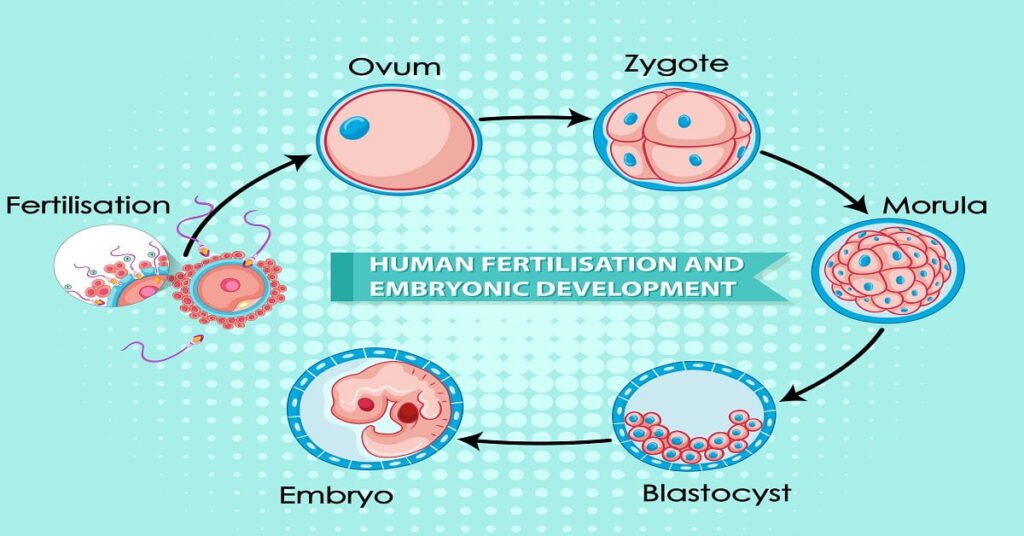
Not all embryos that are decreased in the course of an IVF procedure have the same likelihood of resulting in a healthy pregnancy. Our embryology experts can more precisely identify the best embryos to transfer. That’s because of a sophisticated embryology process known as blastocyst culture, which lets embryos develop longer in the lab.
In a normal IVF cycle the fertilized eggs are developed in the laboratory and can be inserted into the uterus between Day 2 and Day 5 following fertilization. When a blastocyst is cultured, this laboratory period is extended until Day 5 or 6, when the embryo will have developed into a blastocyst, a more advanced stage.
By this stage, the embryo has become a fluid-filled entity consisting of two types of cells, the inner cell mass (the future baby) and the mother’s placenta (the trophectoderm). The blastocyst stage is a critical stage of development and extended periods of culture select only for embryos with the potential to develop.
Better Embryo Selection
Many good-looking Day 2 or Day 3 embryos do not continue to develop until they reach the blastocyst stage. Embryologists can then employ culture to help them determine which embryos have the ability to develop further and make more accurate selections on which embryos to select for transfer.
Better Coordination with the Uterus
A blastocyst transferred on day 5 is closer to the normal timing of an embryo reaching the uterus in a natural conception cycle and this may aid with better synchronization.
Supports Single Embryo Implantation
Blastocysts have a higher chance of implantation, therefore clinics are generally able to transfer just one embryo, and there’s no chance of multiple pregnancies – twins or triplets, for example.
Required for genetic testing
The embryo is now a blastocyst and a small biopsy of cells can be safely obtained from the trophectoderm (the outer layer of the embryo). This is required for preimplantation genetic testing.
Recommended indications for blastocyst culture are: when there are several good quality embryos and it is important to select the single best embryo, patients who are planning to undergo preimplantation genetic testing (PGT), couples who are strongly against multiple pregnancy, and patients who have experienced IVF failure in previous cycles. On Day 3 your fertility doctor and embryologist will look at the number and quality of the embryos to see if embryo(s) can be extended for your cycle.
Fertilization:
Eggs are fertilized either by conventional IVF or by ICSI depending on the clinical indication.
Embryo Development (1-3 Days)
In the next few days, the embryology team closely monitors the fertilized eggs as they divide and evolve from a single cell to a multi-cell embryo.
Extended Culture (4-6 Days)
Those embryos developing well are cultured further in special incubators, with temperature, nutritional media and gas levels precisely controlled to simulate the normal reproductive system.
Blastocyst Grade
Day 5 or 6 is when embryologists assess the developmental potential of the blastocyst based on its expansion, inner cell mass quality, and trophectoderm.
Transfer or Freeze
The best quality blastocyst is selected for transfer in the uterus. Any remaining high-quality blastocysts can be frozen (vitrified) for use at a later date.
Embryo Selection to the Exact
Extending the culture time also eliminates embryos that would not have developed further, and therefore helps to identify embryos with the best implantation potential, making the selection of embryos more accurate.
Reduced Risk of Multiple Pregnancy
There is increased confidence in decisions concerning single embryo transfer and the possibility of multiple pregnancies is reduced.
Better compatibility for genetic testing
The blastocyst biopsy is safer and more reliable for embryos undergoing PGT.
Successful Use of Frozen Embryos
Blastocysts freeze and thaw very well and are a very good choice for frozen embryo transfers in the future.
Not all MBOs will reach blastocyst stage, even if they appear to be developing properly on day
Yes, blastocysts freeze and thaw well with vitrification and are perfect for frozen embryo transfer cycles.
No approach can guarantee conception but it does increase the precision of embryo selection which can help to improve outcomes.
This depends on the number and quality of embryos on day 3. Email advice on fertility: for your instance, prolonged culture is the best thing to do.
This can happen and your doctor will discuss next steps which could include revisiting your protocol for future cycles.
Your journey towards parenthood can begin with a simple conversation. Schedule a consultation with Jeevan Jyoti IVF Centre to understand your fertility concerns and explore the treatment options available for you.