Lorem ipsum dolor sit amet, consectet eiusmod tempor incididunt ut labore e rem ipsum dolor sit amet. sum dolor sit amet, consectet eiusmod.
| Mon - Fri: | 8:00 am - 8:00 pm |
| Saturday: | 9:00 am - 6:00 pm |
| Sunday: | 9:00 am - 6:00 pm |






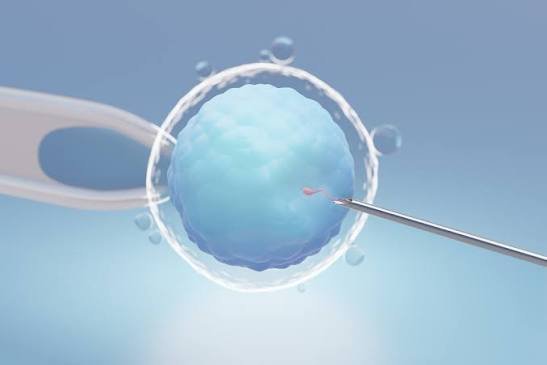
An embryo must first “hatch” from its protective outer shell, called the zona pellucia, before it can adhere to the uterine lining in order for it to be successful in a pregnancy. Sometimes this shell is thicker or harder than normal, and thus more difficult to hatch naturally. Laser-assisted hatching is a delicate micromanipulation technique where the outer shell is thinned or opened in the laboratory so that the embryo can hatch more readily and the probability of successful implantation is increased.
This is performed at Jeevan Jyoti IVF Center with the use of a unique laser technology that is computer-controlled and allows our embryology specialists to make an exact and delicate incision in the zona pellucida without touching or injuring the embryo.
Each embryo has its own protective outer covering called the zona pellucida. In a normal pregnancy, this shell eventually wears away and the embryo “hatches” when it reaches the uterus and inserts itself into the uterine lining.
Sometimes the shell is overly thick or rigid in some cycles of IVF, sometimes from freezing and thawing embryos, or due to the individual or advanced mother age. Laser Assisted Hatching before the embryo is transplanted, is the method where a laser beam, a very precise non-contact beam, penetrates the zona pellucida shortly before the embryo hatches, creating a very small controlled opening.
This is not required in every IVF cycle but is often recommended in women of advanced reproductive age (typically over 37-38 years, when the zona pellucida can thicken naturally), couples with previous cycles resulting in failure of implantation of good quality embryos, embryos that appear to have a noticeably thickened zona pellucida under a microscope and frozen embryo transfer cycles since freezing and thawing can sometimes harden the outer shell. Your fertility doctor and embryologist will look at your embryos and treatment history to see if it is likely to help with your cycle.
The Embryology team examines the thickness and quality of the zona pellucida under extreme magnification before transfer of the embryos.
The embryologist then uses a special laser device coupled to the microscope to cut a small exact hole in the outer shell. The laser hits only the shell of the embryo and not the cells, after a few seconds.
The embryo is checked briefly to make sure the opening was made correctly and that the embryo is healthy and undisturbed.
Then the treated embryo is placed into the uterus shortly after the regular IVF and frozen embryo transfer gentle transfer technique.
Accuracy and Safety
You can open it up very precisely and very controlled using laser technology and not touch the embryo, so the risk is less.
Pace
The laser pulse is only a few seconds long, which helps to limit the time the embryo spends out of the incubator.
Supports Hard Cases
This approach may be helpful for embryos with thick shell and/or couples with previous implantation failures to enhance hatching and implantation.
Convenient for Frozen Embryo Transfer
Sometimes the zona pellucida hardens after freezing, hence laser hatching is very useful to prepare frozen-thawed embryos for transfer.
Nope. It is an established and tested technique used in IVF laboratories for many years and is a precise approach with the embryo being properly protected during the treatment.
No. We advised to select this according to the qualities of the embryo, the age and the clinical history.
Although there is no way to guarantee implantation or pregnancy, if the shell is thicker than normal, assisted hatching may be a treatment that can aid the embryo to break through.
No, it is not done as a distinct laboratory technique, but as a complementing procedure right before the embryo transfer, inside the same IVF or frozen embryo transfer cycle.
Your journey towards parenthood can begin with a simple conversation. Schedule a consultation with Jeevan Jyoti IVF Centre to understand your fertility concerns and explore the treatment options available for you.