
Lorem ipsum dolor sit amet, consectet eiusmod tempor incididunt ut labore e rem ipsum dolor sit amet. sum dolor sit amet, consectet eiusmod.
| Mon - Fri: | 8:00 am - 8:00 pm |
| Saturday: | 9:00 am - 6:00 pm |
| Sunday: | 9:00 am - 6:00 pm |






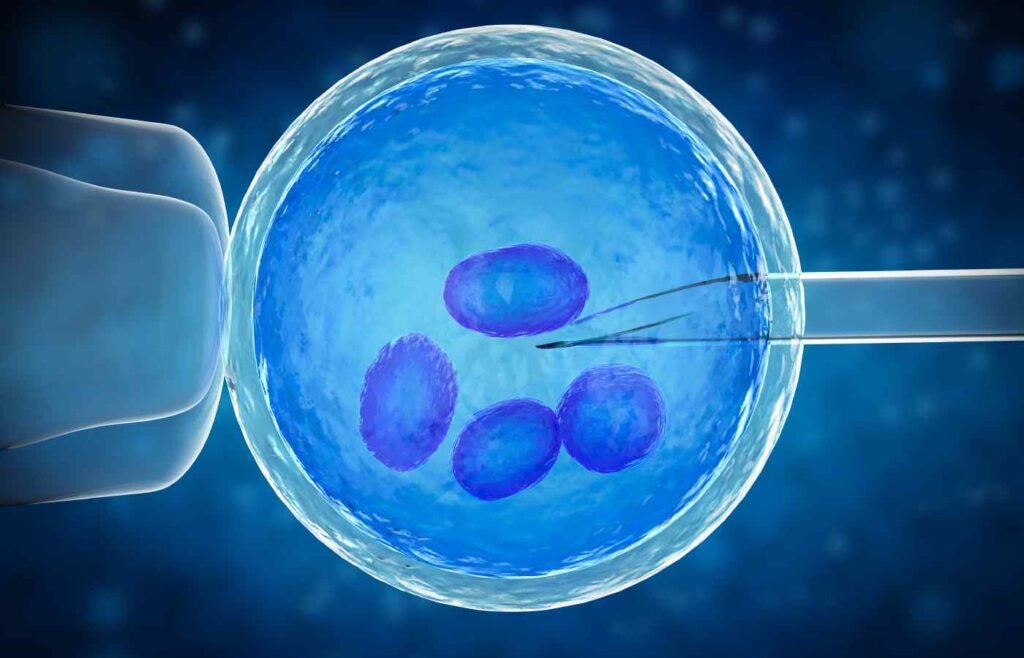
Preimplantation genetic testing is a complex form of genetic testing that is performed in conjunction with IVF to identify specific genetic problems in embryos or chromosomal abnormalities before selecting an embryo for transfer.
PGT provides more detailed genetic information about the embryo and can assist couples in making more informed treatment choices during IVF if they are concerned about chromosomal abnormalities, hereditary conditions or specific fertility factors.
PGT is available as part of a personalized IVF treatment plan at Jeevan Jyothi IVF Center when clinically indicated. The Kapils will work with a fertility doctor who will explain the many testing options and what the results could mean and how they can impact their overall path to parenthood.
Wonder if PGT is right for you?
Book an appointment with our fertility expert today!
Embryos from an IVF cycle, MRO, are checked for certain genetic or chromosomal problems before embryo transfer, a method called preimplantation genetic testing, or PGT.
In IVF, eggs are taken out and then fertilized in a lab, creating embryos. The embryo develops in a layer . An embryologist can carefully take out a few cells . The cells are then taken for genetic testing and while they are being tested the embryos are normally kept in a proper environment in the laboratory. The data can help the fertility experts select which embryo is suitable for transfer.
It is essential to know that PGT is a testing or screening procedure, and not a guaranty of successful pregnancy or healthy child.
PGT can be broadly categorized into three groups; each category answers a different clinical topic.
PGT-A – Screening for chromosomal abnormalities
Pre-implantation genetic testing for Aneuploidy (PGT-A) helps analyze embryos for the wrong number of chromosomes.
Chromosomal abnormalities can interfere with embryo development and lead to implantation failure or miscarriage. PGT – A can help fertility teams to make better judgments about embryo selection in particular IBF conditions. It provides information about the chromosomal count of an embryo.
PGT – M: Testing for particular genetic conditions
Preimplantation genetic testing for monogenic illnesses is used if there is no chance of transmitting a particular inherited, single-gene condition to a child.
If both parents or even one is known carrier of a certain hereditary condition it may be taken into consideration. Some examples are
Structural Chromosomal Abnormalities (PGT – SR)
Implantation genetic testing for structural rearrangements is utilized when one of the genetic parents has an unknown structural chromosomal rearrangement such as specific translocations or inversions .
Although a person with such a rearrangement could be healthy, it can often upset the balance between sperm and eggs and increase the chance that embryos would have an abnormal chromosome structure.
PGT is not necessary in all cases of IVF. If you have certain medical or family history factors, your reproductive doctor may propose genetic testing.
Family History of Known Genetic Conditions
PGT-M may be discussed if one or both parents are known to carry a genetic disorder that could be passed on to a child.
History of pregnancy or reproductive failure .
In certain individuals with recurrent pregnancy loss your doctor may check if any chromosomal factors are causing the pregnancy loss and if a genetic test can be conducted it may be useful.
Known Chromosomal Arrangement
Couples with a known chromosomal structural rearrangement in one spouse may be appropriate for PGT-SR.
Special Cases of IVF
Your fertility doctor may suggest PGT-A as an option for embryo testing depending on your age, reproductive history and past IVF results.
Genetic Counseling Prior to Treatment.
If there are concerns about an inherited condition then a genetic consultation may be relevant and can be used to assist in the decision as to whether PGT is appropriate and the type of testing that would be relevant.
PGT should be considered only after considering the specific medical and genetic considerations and not as an adjunct to all IVF cycles.
PGT is performed in conjunction with an IVF cycle and involves several phases that are carefully planned.
Your fertility specialist will review your medical history, reproductive history or any other genetic data that might be relevant to consider PGT.
Several follicles are induced to develop in the ovaries. Mature eggs are harvested and fertilized in the laboratory with sperm, usually by IVF or ICSI as per the treatment plan.
The fertilized eggs are studied under controlled laboratory circumstances as they develop into embryos.
Once the embryo is big enough, there is a skilled embryologist who will delicately take a few cells from the outside.
The embryo is not involved in the tests.
The biopsied cells are then analyzed for the necessary genetic assays depending on the goal of the PGT .
For instance:
PGT-A → determines the number of chromosomes
PGT-M → looking for a specific hereditary genetic disease
PGT-SR tests for various structural chromosomal alterations.
Depending on the procedure of treatment, embryos can be preserved until you receive the results of the genetic testing.
Fertility experts will then meet with you to review the results and select which embryo may be suitable for transfer depending on the overall treatment plan.
In properly selected IVF patients, PGT can provide valuable genetic information regarding MS before transfer. The major potential advantages of PGT include:
However, PGT does not screen for all possible genetic or developmental problems. Even if the test results are reassuring for the illness being studied, an embryo is not necessarily clear of all genetic abnormalities.
PGT also includes MRI biopsy, where a few cells are taken from an embryo for genetic research.
Current methods of embryo biopsy aim to minimize any possible injury to the embryo. But there are always certain hazards involved in the laboratory techniques. PGT is appropriate in certain cases and should be carried out using approved laboratory methods by an embryology team with the relevant training.
Your fertility specialist can explain any potential risks and restrictions specific to your treatment.
After. Embryos are created through IVF first, and once they've reached the right stage for biopsy, cells are tested before any embryo is considered for transfer.
How long it takes depends on the type of genetic test, the testing process, and the lab. Your fertility experts will be able to provide you the most specific timeline for your therapy.
No. PGT is for looking for specific genetic or chromosomal causes. There are no conceivable genetic, developmental or medical conditions that can be ruled out.
PGT may offer important data for embryo selection in some instances, but the influence of PGT on IVF outcomes varies depending on the type of PGT and the patient’s unique situation; it is not a guaranty of greater IVF success.
Your journey towards parenthood can begin with a simple conversation. Schedule a consultation with Jeevan Jyoti IVF Centre to understand your fertility concerns and explore the treatment options available for you.