
Lorem ipsum dolor sit amet, consectet eiusmod tempor incididunt ut labore e rem ipsum dolor sit amet. sum dolor sit amet, consectet eiusmod.
| Mon - Fri: | 8:00 am - 8:00 pm |
| Saturday: | 9:00 am - 6:00 pm |
| Sunday: | 9:00 am - 6:00 pm |






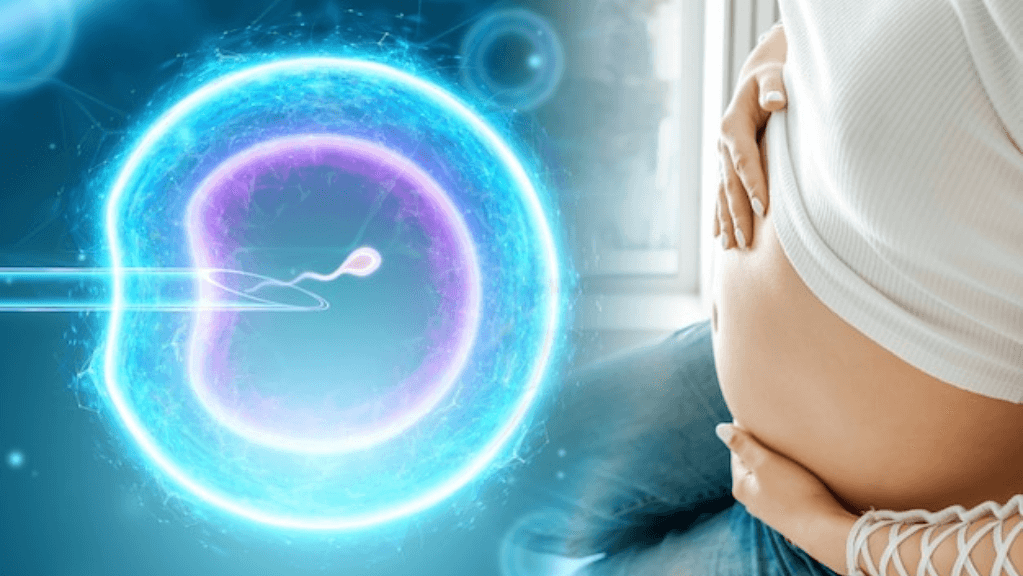
When the uterus lining is ready for implantation, previously frozen eembryos areplaced and thawed into the uterus as a part of the assisted reproductive technique known as frozen embryo transfer (FET)
Embryos produced during an earlier IVF or ICSI cycle and kept by embryo cryopreservation can be used for FET. A frozen MD transfer may enable the fertility team to schedule the transfer m independently of the initial retrieval cycle, depending on the patient’s circumstances.
Your unique reproductive health, endo, mental state, past medical history, and embryo availability are taken into consideration while scheduling a frozen embryo transfer at Jeevan Jyoti IVF Center.
Make an appointment today if you want to know what to do if you have frozen embryos.
The process of thawing and transferring a previously cryopreserved embryo into the uterus is called frozen embryo transfer or FET. Many embryos can grow during an ICSI or IVF cycle. Once a fresh embryo is transferred, if there are still viable embryos, or if the treatment plan requires the embryos to be frozen, they can be stored for future use.
The embryo is carefully frozen at the embryology lab when you are ready for another transfer. It can be inserted into the uterus via a thin catheter if it makes it through the thawing procedure.
The Frozen Embryo Transfer is a process that has several stages.
Your fertility specialist will examine your medical history, previous IVF cycles, embryo features, and uterine condition. An ultrasound might be done to evaluate the uterus and the lining of the uterus.
The endometrium should be suitably prepared before the transfer of embryos. Your doctor might suggest one or both of the following:
This will depend on your cycle, how often you ovulate, as well as your medical history.
Your fertility team keeps track of the growth of the lining of the uterus (endometrium) and, if necessary, of ovulation or hormone levels. Embryo developmental stage is carefully coordinated with timing of progesterone exposure and embryo transfer.
On the agreed date, the chosen embryo is gently thawed by the embryology team. With the advancement in science, embryos can be frozen rapidly and stored under controlled laboratory conditions with the use of modern cryopreservation methods like vitrification.
When the embryo is ready, the fertility doctor inserts it into the uterus through a thin, flexible catheter. The process is normally not painful and is relatively quick.
Once the transfer has taken place,e your doctor will tell you when you can take a pregnancy test. This will give sufficient time for the embryo to implant and for the presence of the pregnancy hormone hCG to be detected.
In certain patients, FET can provide some practical and clinical benefits.
Embryos Can Be Used For Future Cycles
An embryo from a previous IVF cycle may be transferred for a different IVF cycle without undergoing ovarian stimulation and egg collection.
Flexible Treatment Planning
The embryo transfer can be performed separately from egg retrieval with a frozen transfer. This can afford the medical team the extra time to prepare the uterus as appropriate.
Suitable After a Previous IVF Treatment
If there are any embryos left over from the initial IVF cycle, they might be able to be transferred in a subsequent cycle.
Can Work After Genetic Testing
Generally, embryos are either cryopreserved during Preimplantation Genetic Testing (PGT) or the tests are performed on them. A genetically tested embryo may then be selected for transfer, and this may depend on the treatment plan as a whole.
May Avoid a Fresh Transfer
Sometimes, due to unique medical and hormonal factors, it is not recommended to attempt a fresh embryo transfer during an IVF cycle. If so, embryos can be frozen and transferred at a later time when conditions are better.
Frozen Embryo Transfer May Be Recommended For:
FET can be used in several scenarios, such as:
The choice of FET depends on the particular individual and the state of the available embryos.
Once the embryo has been transferred, you can normally resume your normal lifestyle as directed by your doctor.
Depending on the type of FET cycle, your fertility team might prescribe medications, such as progesterone.
You will be given instructions about:
The pregnancy test is usually done following the transfer, following your clinic’s protocol.
Additional blood work and ultrasound may be ordered if the test is positive to follow the early pregnancy.
Fresh Embryo Transfer | Frozen Embryo Transfer |
Embryo is transferred during the same IVF cycle in which eggs are retrieved. | Previously cryopreserved embryo is used |
No embryo thawing is required | Embryo is thawed before transfer |
Transfer follows ovarian stimulation and egg retrieval | Transfer can be planned separately for egg retrieval |
May be appropriate for selected patients | May be preferred or necessary in various clinical situations |
Timing is linked to the original IVF cycle | Transfer can be planned separately from egg retrieval |
Each patient is suggested a different timing based on their uterine preparation, medical conditions, and treatment plan.
Clinical recommendations, embryo quality, reproductive history, and age all influence how many embryos are transferred to lower. To reduce the chance of multiple pregnancies, single MU transfers are frequently favoured.
Most modern embryo cryopreservation protocols have high survival rates, but an embryo occasionally does not survive the warming process. Your embryology email assess the embryo after thawing before proceeding with transfer.
Not necessarily, both approaches can be appropriate, depending on the patient's circumstances. Your fertility specialist will consider your medical history, in preparation, and improvement of factors before recommending the most suitable approach.
Your journey towards parenthood can begin with a simple conversation. Schedule a consultation with Jeevan Jyoti IVF Centre to understand your fertility concerns and explore the treatment options available for you.