
Lorem ipsum dolor sit amet, consectet eiusmod tempor incididunt ut labore e rem ipsum dolor sit amet. sum dolor sit amet, consectet eiusmod.
| Mon - Fri: | 8:00 am - 8:00 pm |
| Saturday: | 9:00 am - 6:00 pm |
| Sunday: | 9:00 am - 6:00 pm |






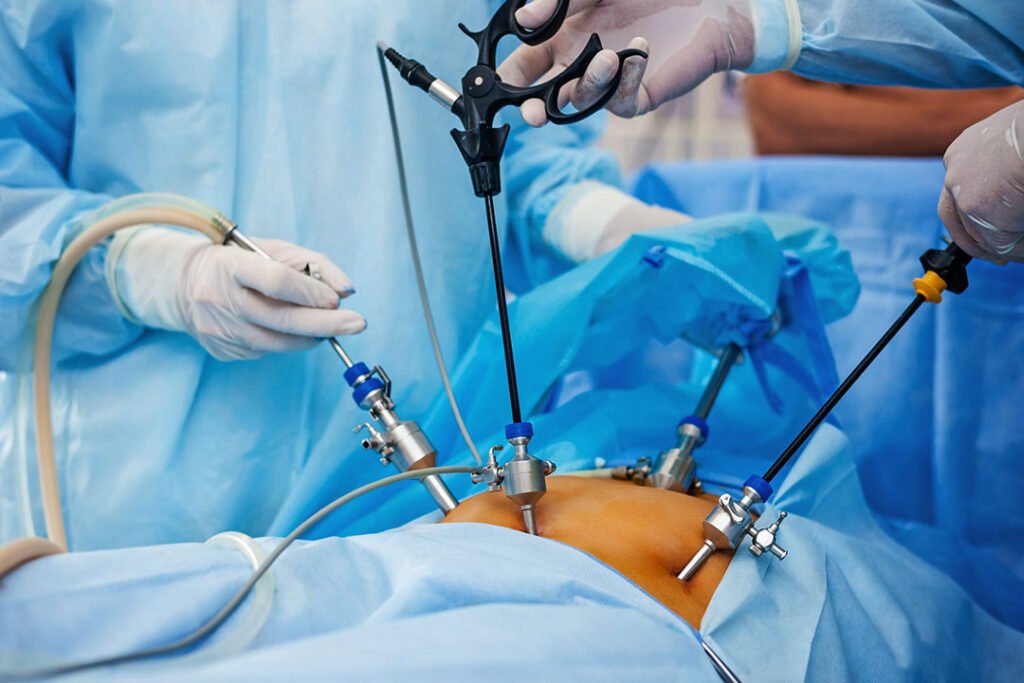
Sometimes routine examinations like ultrasounds or blood tests can’t find the cause, if there are fertility issues. Sometimes doctors need a better look at the uterus, fallopian tubes, ovaries or the area around them.
Gynecologists or fertility specialists use laparoscopy and hysteroscopy to get a look at the reproductive organs. If they find something, they can generally fix it right there.
At Jeevan Jyoti IVF Center, the doctors may recommend these procedures if they feel that it will help them understand what is happening to your health or correct an issue.
Problems conceiving. Don’t know why? Meet Our Fertility Specialist today!
Two minimally invasive techniques are laparoscopy and hysteroscopy. Both are used to help with fertility, although they look at different aspects of the female reproductive system.
Laproscopy
Laparoscopy is a surgical technique where the doctor looks at the organs inside the pelvis, including the-
They utilize a small camera called a laparoscope that goes in through a small cut, generally at the belly button .
Laparoscopy can assist doctors to look for abnormalities such as endometriosis, adhesions in the pelvis, some ovary difficulties, problems with the tubes or other reproductive organs.
In such cases, the doctors may also address the condition in the very same process.
Hysteroscopy
Hysteroscopy is a method to look at the inside of the uterus particularly.
A narrow instrument, termed a hysteroscope, is passed through the vagina and cervix into the uterus. It helps the doctor look at the lining and check if there are any abnormalities that could compromise fertility or pregnancy.
Depending on what they see, doctors can sometimes fix the problem right there during the hysteroscopy.
Laparoscopy | Hysteroscopy |
Uses a laparoscope inserted through a small abdominal incision | Uses a hysteroscope passed through the vagina and cervix |
Examines the pelvic and reproductive organs | Examines the inside of the uterus |
Assesses ovaries, fallopian tubes, and the outer surface of the uterus | Assesses the uterine cavity and endometrium |
May identify endometriosis and pelvic adhesions | May identify polyps, intrauterine adhesions, and fibroids |
Can be used for certain surgical treatments | Can be used for procedures inside the uterus |
Laparoscopy is usually done when you are under anesthetic.
Step 1: Evaluation before the procedure
Your doctor will check your history, medications, prior operations and fertility examinations.
Step 2: The Anästhesia
You will be given anesthesia to keep you drowsy and comfortable during the surgery.
Step 3: Cut
A tiny cut is generally made near the abdominal button.
The abdomen is gently inflated with carbon dioxide . This provides the surgeon sufficient room to see the pelvic organs .
Step 4: Insert the Laparoscope
A small camera is put into the incision. The surgeon can then inspect structures such as the uterus, ovaries, fallopian tubes, and surrounding tissue.
Step 5: Treatment When Indicated
If an abnormality is found that can be treated, some procedures may be performed during the operation. This may include treatment of endometriosis, excision of adhesions or other necessary surgical treatments as per the case.
Step 6: Recuperation .
After the procedure, you are watched until the anesthesia wears off. How long you recover depends on how much work was done.
During hysteroscopy a thin camera is sent via the normal vaginal canal and the cervix and into the uterus.
Step 1: Get Ready
Your doctor will look at your medical history to determine when and what kind of hysteroscopy is best for you.
Step 2: Inserting the Hysteroscope
A narrow hysteroscope is carefully passed through the vagina and cervix into the uterine cavity.
Step 3: Inspection of uterine cavity
Usually sterile fluid is used to gently distend the uterus cavity so the doctor may see the uterine lining clearly.
Step 4: Detect Abnormalities
The physician can immediately visualize the uterine cavity for anomalies such as:
Step 5: Treatment When Needed
Some problems can be corrected at the same hysteroscopic surgery when indicated.
Step 6: Feel good
Recovery is often quicker than after abdominal surgery, however this depends on the operation and the individual.
These procedures can be useful if there is a clear clinical indication.
Direct visualization –
Unlike imaging tests that give a glimpse, laparoscopy and hysteroscopy let the clinician look directly at certain reproductive structures.
Diagnosis and Treatment
When an anomaly is found it can be treated in certain circumstances.
Minimally Invasive Procedure
Laparoscopy employs small incisions in the abdomen instead of a huge open incision. Hysteroscopy is performed through the vagina and cervix and usually does not require an incision in the abdomen.
May Help Uncover Hidden Fertility Factors
More extensive investigation may be required in some circumstances such as endometriosis, pelvic adhesions and abnormalities within the uterine cavity.
Individualized Fertility Planning
The results can assist your fertility physician decide whether treatment, surgery, natural conception attempts, IUI or IVF may be appropriate.
Detailed evaluation. Minimally invasive care. Personalized fertility planning.
At Jeevan Jyoti IVF Centre, laparoscopy and hysteroscopy may be recommended when a more detailed assessment of the reproductive organs is needed.
Our approach focuses on understanding why conception may be difficult rather than moving directly to a treatment without identifying the underlying factors.
Comprehensive Fertility Assessment
Your medical history, symptoms and previous fertility investigations are reviewed before recommending a procedure.
Appropriate Procedure Selection
Laparoscopy and hysteroscopy are used for different purposes. Your fertility specialist determines which procedure—or whether both—is appropriate for your condition.
Diagnosis With the Possibility of Treatment
When a treatable abnormality is identified, appropriate surgical treatment may sometimes be performed during the same procedure.
Minimally Invasive Approach
Where clinically appropriate, minimally invasive techniques can help reduce the need for larger surgical incisions and may support faster recovery.
Fertility-Focused Care
The findings from the procedure are considered as part of your broader fertility treatment plan, whether your next step involves trying naturally, IUI, IVF or another appropriate treatment.
Laparoscopy can be used to evaluate the fallopian tubes and the adjacent pelvic tissues. A dye test, in which a dye is put into the tubes during laparoscopy to see if the tubes are open, may also be done.
Hysteroscopy can be used to remove some fibroids that extend into the uterus . Not all fibroids can be treated with hysteroscopy . Submucosal fibroids can be removed using hysteroscopy .
Yes, you can. Pregnancy following laparoscopy is feasible but depends on the problem treated, your age, ovarian reserve, tubal function and other reproductive factors. Your doctor can talk to you about when it is safe to start trying after the operation.
In selected individuals who require evaluation of both the uterine cavity and the pelvic organs, both procedures can be performed at the same surgical session.
Your journey towards parenthood can begin with a simple conversation. Schedule a consultation with Jeevan Jyoti IVF Centre to understand your fertility concerns and explore the treatment options available for you.